

THC vs CBD: Understanding the Differences and Benefits
THC vs CBD: How to Choose What You Actually Need
Staring at dispensary menus trying to settle the THC vs CBD debate can feel like a guessing game. While both are stacked on shelves in Thousand Oaks and Oxnard, they work differently. Choose wrong, and you risk getting uncomfortably high or feeling absolutely nothing.
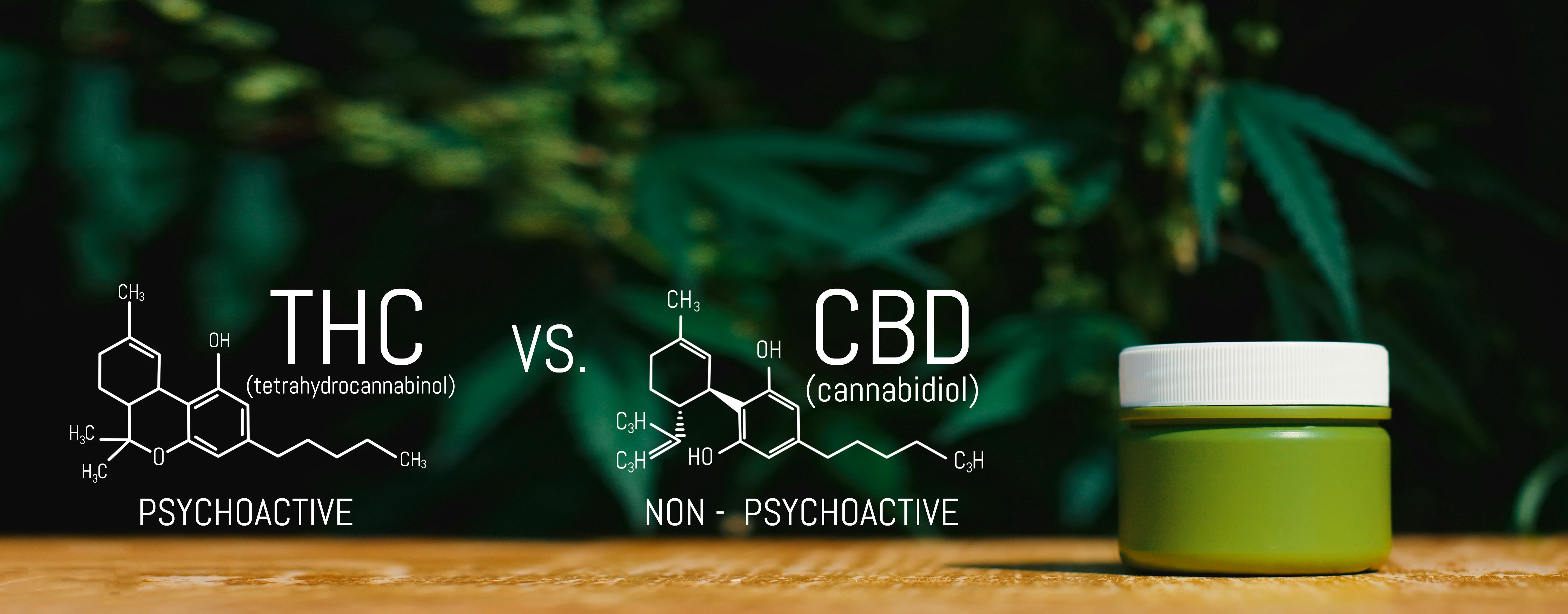
This guide clarifies how each cannabinoid feels, how to dose safely, and how to find your perfect ratio. First, does CBD actually get you high? No. It is more like caffeine, as it is psychoactive but it is NOT intoxicating. Unlike caffeine, it is relaxing. It's important to understand how THC and CBD bind to the receptors in your body. Scientist have discovered the presence of a CB1 and CB2 receptor.They are all over the body with CB1 receptors concentrated in the brain (but not in the brain stem *) and the spinal cord, and CB2 receptors all over as well. THC will only bind with the CB1 receptor however, CBD will bind to both the CB1 and CB2 receptors. In the presence of THC it fills up the CB1receptor and CBD then is free to bind with the CB2 receptors for the greatest helpful benefits.
*Note: The lack of CB1 receptors in the brain stem means that a toxic overdose that affects the respiratory system is physically impossible, unlike opioid overdose that can be fatal.
Intoxication and Highs: How They Actually Feel
Most buying mistakes at the dispensary counter happen right here. If you are standing in a showroom looking for relief, the last thing you want is to accidentally blast off into space when you just wanted to soothe some daily tension. On the flip side, chasing a euphoric buzz with a product that has zero psychoactive power is a recipe for frustration. When exploring THC vs CBD, understanding the physical and mental effects is your first step to a successful experience.
Let’s start with THC, which is the primary driver of the classic cannabis high. In plain terms, THC binds directly to receptors in your brain to change how you temporarily process information. For most people, a moderate dose brings on a wave of physical relaxation, altered time perception, euphoria, and a healthy appetite.
However, THC has a biphasic nature, meaning small doses and large doses can produce completely opposite effects. While a low-dose gummy might make you feel deeply calm, taking too much can quickly flip the experience into a racing heart, dizziness, or mild paranoia. If you are sensitive to cannabis, a tiny bit goes a very long way.
CBD works on a completely different wavelength because it is actually psychoactive but non-intoxicating at typical wellness doses. You can take it before heading into a busy workday or running errands without worrying about mental impairment. Instead of a high, most people describe the feeling as a quiet, physical shift, like the background noise of stress being turned down. You feel more grounded and less reactive, though very high doses might make you feel a bit sleepy.
There is one important caveat to keep in mind. Full-spectrum CBD products do contain trace amounts of THC, and mislabeled products can sometimes carry more than you expect. If you are highly sensitive to THC, those tiny amounts can sometimes trigger a very mild, unexpected buzz. Always check third-party lab results to know exactly what you are putting in your body.
Where THC actively shifts your state of mind, CBD works quietly behind the scenes. Think of THC as the engine driving the experience, while CBD acts like the stabilizer. Interestingly, CBD can actually modulate THC’s intensity. If a high-THC product starts to feel too intense, incorporating CBD can help soften those anxious edges, though it is not a guaranteed antidote. The amount of CBD needed to modulate the THC “high” depends on method of ingestion as well as length of time.
If your primary goal is zero impairment and staying completely sharp, stick to CBD-dominant products and avoid high-THC options. If you want a noticeable, euphoric shift in your perspective, THC is the driver you are looking for. CBD and the terpenes can shape the ride, but it won't create it.
CBD vs THC for Sleep, Pain, and Anxiety
Most people do not walk into a dispensary looking to buy a specific chemical compound. They come in because they are exhausted, stressed, or dealing with physical discomfort that just will not quit. When you want relief, choosing between THC vs CBD comes down to the real-world results you want to feel. It is about matching your immediate personal goals to the right cannabinoid strategy. There are many combinations of cannabinoids with THC that be tailored to the effect you are seeking. For sleep, the cannabinoid CBN is a good one to add to the THC/CBD/CBN combination.
For anxiety and daytime stress, CBD is the ultimate low-risk starting point. It allows you to take the edge off a hectic afternoon without any mental fog or unwanted impairment. While THC can soothe stress in tiny doses, overdoing it is notorious for triggering paranoia and making racing thoughts worse. That is why balanced products, like a 1:1 ratio or a CBD-forward gummy, are often the most predictable choice for anxious minds because they offer a grounded experience.
When it comes to sleep, the two cannabinoids target different parts of your nightly routine. THC is excellent for sleep onset, helping you fall asleep quickly by deeply relaxing your body, though it can leave some users feeling a bit groggy the next morning. CBD works more indirectly by quieting the mental chatter so your body can naturally drift off without a heavy, sedating hangover. If a racing mind keeps you awake and you hate feeling impaired, go with a high-dose CBD-first option; however, if physical discomfort keeps you tossing and turning, a low-dose THC or balanced product at bedtime is usually more effective.
For pain and physical discomfort, your choice depends on your daily schedule and how functional you need to be. THC is highly effective for noticeable, immediate relief because it changes how your brain perceives physical signals, though it does come with a psychoactive high. CBD is the ideal daytime alternative, targeting inflammation-style discomfort quietly while keeping you completely sober. For many wellness shoppers, balanced formulations represent the perfect middle ground, offering robust relief by letting both cannabinoids work together to soften the intoxicating edge of the THC while amplifying physical comfort.
To find your starting point, simply match the cannabinoid to your immediate daily needs. Choose CBD-dominant formulas for clean, daytime calm. Opt for a low-dose THC or a 1:1 balanced product for nighttime sleep and physical relief. Save the THC-forward options for those times when a little recreational intoxication is both welcome and expected.
Dosing, Titration, and Finding Your Perfect Ratio
Finding your ideal dose can feel like trying to hit a moving target in the dark. The truth is that dosage, much more than just choosing THC vs CBD, determines whether you feel nothing at all, find sweet relief, or end up uncomfortably overwhelmed.
Before consuming anything, check the product label. Always look for the specific milligrams (mg) per serving and total mg per package rather than relying on percentage numbers alone. Milligrams give you the exact, predictable measurement you need to stay in control of your experience.
When comparing how to dose these two cannabinoids, the rules of the road are entirely different.
For CBD, a practical, beginner-friendly starting dose is 10 to 20 mg. Don't be confused by clinical studies for anxiety, which often use massive doses of 300 mg or more. In the consumer world, finding relief is about personal titration (dose): slowly increasing your daily dose until you feel a gentle shift. You will know you have reached your limit if you experience mild lethargy, nausea, or if the cost outpaces the benefits.
THC dosing requires a strict harm-reduction approach because the stakes of overdoing it are much higher. If you are new to THC or prone to anxiety, we highly recommend starting with a microdose of 1 to 2.5 mg.
Your consumption format also dictates your timing. Inhaled THC provides almost immediate feedback, letting you gauge your comfort level within minutes. Edibles, however, can take up to two hours to fully kick in, making it incredibly easy to accidentally overdo it if you get impatient.
If you want the benefits of both, look at balanced ratios. A 1:1 ratio contains equal milligrams of THC and CBD per serving. Compared to THC-only products, a 1:1 ratio feels much smoother and more grounded, though it can still cause some mild intoxication. To choose your ratio, match it to your goal:
To start safely, try this simple 7-day playbook:
Ultimately, the right choice is the one you can dose predictably and repeat tomorrow without any surprises.
The Verdict: How to Choose the Right Option for Your Needs
When weighing THC vs CBD, remember that both cannabinoids soothe the body and mind but serve entirely different goals. THC is your primary driver for noticeable mental shifts and deep physical relief. CBD operates quietly in the background to ease daily stress without mental fog. Your starting point comes down to your comfort level with psychoactive effects.
"I Don't Want to Get High (Ever)"
Stick strictly to CBD-dominant formulas such as a 20;1 CBD/THC gummy.Choose high-quality broad-spectrum products or pure isolates, and avoid untested gas station hemp products. Start with a consistent daily dose of 10 to 15 milligrams to let the benefits build naturally in your system.
"I Want Help Sleeping or with Nighttime Pain, but I'm Cautious"
Begin with a high-dose CBD product to quiet your mind before bed. If you still need deeper physical relief, introduce a microdose of THC or a balanced 1:1:1 ratio CBD/THC/CBN product at bedtime. Skip high-dose edibles initially since they can take hours to kick in and feel too intense. It is possible to dissolve a gummy under your tongue for a faster onset than swallowing one.
"I Already Use THC but Sometimes Get Anxious"
Lower your THC intake and introduce CBD to your routine. Switch to balanced 1:1 ratios or a CBD-forward formula, like a 5:1 gummy, to soften the psychoactive edge. Move from inhalation to predictable, low-dose tinctures where you can control your timing and dosing with precision.
"I Want Recreational Effects with Fewer Rough Edges"
THC-forward products work well here, but adding a little CBD makes the experience much smoother. Try a 2:1 or 4:1 THC to CBD ratio to keep the euphoria while removing any jittery spikes. Staying disciplined with your starting dose is the key to keeping things enjoyable.
Your Next Steps
Focus on wellness-forward formats like tinctures, low-dose beverages, and ratio edibles to control your experience with precision. A quick, no-pressure chat with a budtender will help match these products to your daily schedule and personal tolerance.
For our Ventura County neighbors, the team at Legendary Organics is ready to guide you. Visit our clean, spa-like showrooms in Thousand Oaks or Oxnard to explore our curated selection of tested, premium brands. You can also use our online menu for quick in-store pickup or discreet, same-day delivery right to your door in the Conejo Valley.
Frequently Asked Questions About THC vs CBD
Does CBD get you high?
No, CBD will not get you high in the way THC does because it is completely non-intoxicating. However, full-spectrum CBD products contain trace amounts of THC that can sometimes trigger a mild, unexpected buzz in highly sensitive users. Mislabeled products can also carry more THC than advertised. To avoid any intoxication, choose broad-spectrum products or pure CBD isolates backed by third-party testing.
Will CBD show up on a drug test?
Pure CBD itself will not show up on a drug test, but using CBD products can still cause a positive result as there are trace amounts of THC. . Most screening tests look specifically for THC metabolites, not CBD. But, full-spectrum CBD contains trace amounts of THC, regular use can cause those metabolites to build up in your system. To reduce your risk, avoid full-spectrum options, buy third-party tested isolates, and never trust unverified labels.
Is THC or CBD better for anxiety?
CBD is generally the safer starting point for anxiety because it does not carry the risk of intoxication. While low doses of THC can help some people relax, higher doses are notorious for backfiring and triggering paranoia. If THC has caused you panic in the past, stick to CBD-only products or high-CBD ratios like 5:1, and avoid edibles for your first retry.
Should I try THC or CBD first for sleep?
If you need help falling asleep, a low-dose CBD/THC/CBN 1:1:1ratio product at bedtime is usually the most effective choice. If you just need a calmer baseline to prevent nighttime worrying, try a daily CBD routine earlier in the day instead. Whichever format you choose, remember the golden timing rule and never re-dose edibles too quickly.
Check out our guide on using cannabis for sleep for more information!