

How to Choose the Best Cannabis for Sleep: Step-by-Step
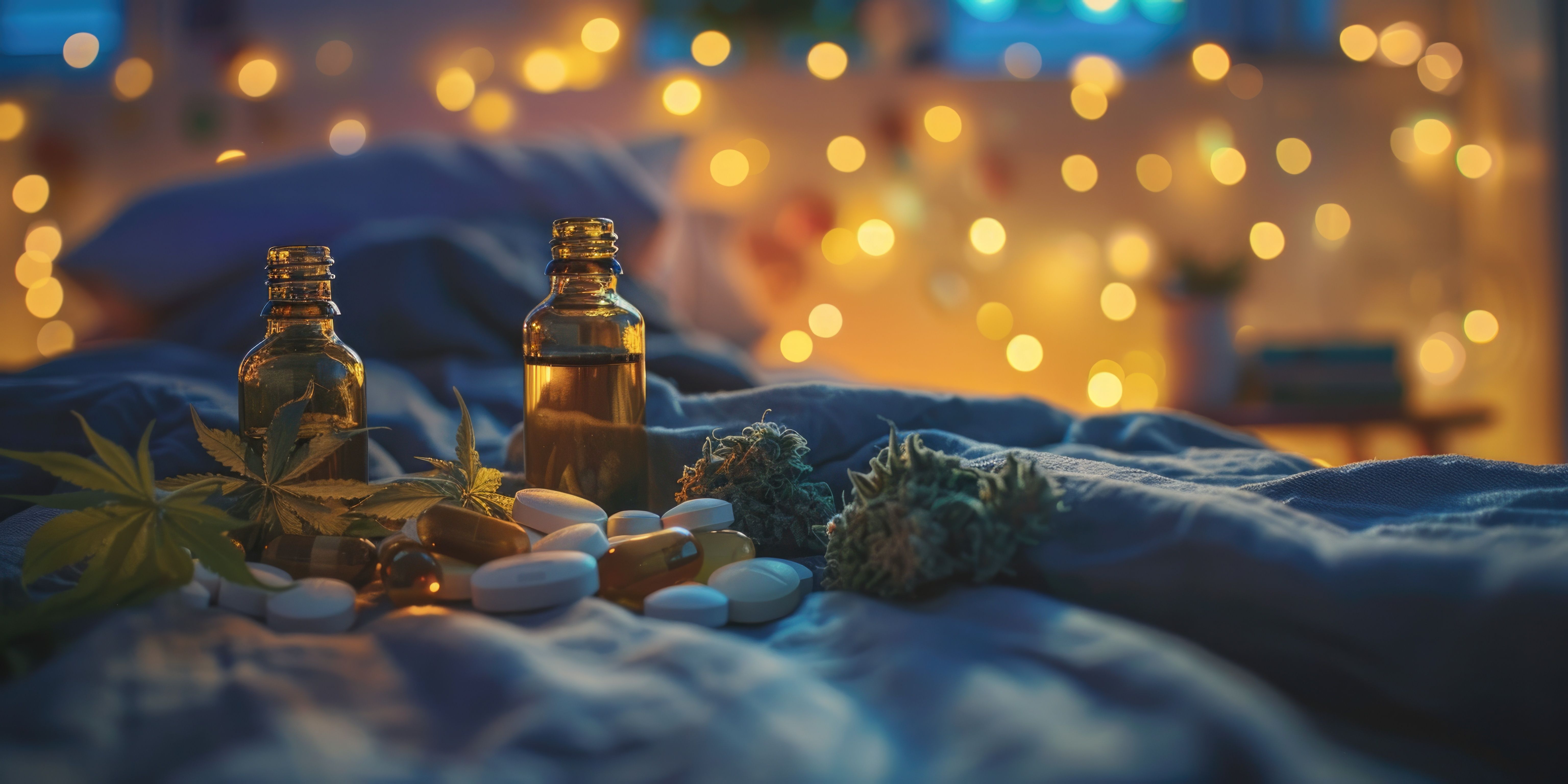
If you struggle with falling asleep, staying asleep, or waking up groggy, chasing unpredictable strain names is a losing game. Finding the best cannabis for sleep comes down to targeting reliable product categories like CBN-forward edibles, tinctures, and indica flower. We cover eight top categories, plus how to time your dose to prevent morning fog. Just remember to choose lab-tested products, start low, and avoid mixing them with other sedatives.
Start with CBN if your goal is sleep-specific support.
1. CBN Edibles for All-Night Maintenance Sleep
If you constantly wake up at 2 a.m., CBN edibles are the best cannabis for sleep maintenance. As the most sleep-specific cannabinoid format, CBN provides consistent dosing and a long duration. This makes it easy to track your results using a nightly sleep log.
When shopping, look for "CBN" on the front label and a clearly stated milligram count per serving. Wellness-focused users should opt for low-THC formulas. While clinical evidence is still emerging, CBN works best when paired with a small amount of THC to trigger the entourage effect.
For a safe starting dose, take a quarter to a half of a gummy (aiming for 2.5 to 5 milligrams of THC equivalent) about 45 to 90 minutes before lights-out. Because edibles last four to eight hours, do not redose if you wake up in the middle of the night. This prevents next-day grogginess while giving light sleepers and midnight awakeners dependable, all-night coverage.
2. CBN Tinctures for Fast-Acting, Customizable Dosing
Love the idea of using the best cannabis for sleep but hate waiting two hours for a gummy to kick in? Tinctures solve this delay by offering rapid relief and precise dosing. When shopping, look for CBN tinctures formulated with CBD or low-dose THC. Ensure the bottle has a graduated dropper and clearly displays the milligrams per milliliter.
For the fastest results, use the sublingual technique. Hold the liquid under your tongue for 60 to 90 seconds before swallowing. This bypasses the digestive tract, allowing you to take your dose just 15 to 45 minutes before bed.
If your formula contains THC, start with a micro-dose of 1 to 2.5 mg and titrate up every three nights. For THC-free CBN, start low and track your response. Tinctures are highly recommended for:
Always consult a doctor if you take other sedating medications. Avoid double-dosing if the effects creep up slowly.
3. Fast-Acting Nano Edibles for Quick Sleep Onset
Staring at the ceiling with a racing mind is exhausting, especially when traditional gummies take two hours to kick in. By then, half your sleeping window is gone. If you struggle to fall asleep, fast-acting edibles are the best cannabis for sleep support.
When shopping, look for these key terms on the packaging:
These products use water-soluble technology to bypass the liver, absorbing quickly to bridge the gap between fast inhalation and long-lasting gummies. They are perfect for travelers, hotel stays, or anyone who needs to quiet bedtime chatter without committing to an eight-hour heavy edible cycle. Look for options paired with CBN for deeper nighttime relaxation.
Dosing and Timing:
Test these on a low-stakes night first. Because marketing can be confusing, prioritize products with clear dosing per piece and third-party lab testing, and never mix them with alcohol.
4. Balanced 1:1 THC:CBD Edibles for Anxiety-Driven Insomnia
If you are searching for the best cannabis for sleep but worry about getting too high, balanced CBD ratios are your safety net. CBD acts as a natural buffer, softening THC's psychoactive intensity. When anxious thoughts keep you awake, this synergy supports deep physical relaxation without an overwhelming head high.
When shopping, look for balanced 1:1 THC:CBD gummies or low-THC, high-CBD nighttime edibles. Many premium formulas also incorporate CBN for enhanced sedation. This gentle blend is ideal for cannabis returners and anyone struggling with a "body tired, mind awake" state.
Always talk to a doctor first, as CBD can interact with certain prescription medications. Do not assume a product has zero side effects simply because it is CBD-dominant.
5. Terpene-Rich Indica Flower for Instant Sleep Onset
When you need sleep immediately, waiting for an edible to digest is not an option. Inhalation offers the fastest relief, working within minutes. For the best cannabis for sleep, look past simplistic "indica" labels and focus on the terpene profile. Ask your budtender for indica-dominant flower or pre-rolls rich in myrcene and linalool to promote deep relaxation. If physical tension keeps you awake, look for beta-caryophyllene-forward options to soothe your body.
This fast-acting method is perfect for anyone struggling with sleep onset, those who dislike edibles, or sleepers who wake up at 2 a.m. and need short-acting support. To keep it beginner-friendly, take just one or two small puffs 5 to 15 minutes before bed. You can also use a dry herb vaporizer to avoid smoke entirely.
Keep your starting dose tiny to protect your REM sleep and prevent next-day brain fog. Remember that regular use can build tolerance, and high-THC options can sometimes trigger anxiety.
6. CBN Capsules and Softgels for a Sugar-Free Nightly Ritual
If you want the best cannabis for sleep but hate chewing a sugary gummy right after brushing your teeth, you are not alone. For a seamless wellness routine, CBN capsules and softgels offer a sophisticated, zero-sugar alternative.
What to buy: Look for premium CBN capsules, which often combine CBN with precise micro-doses of THC or CBD. Always choose brands that list exact milligrams per softgel and provide verified lab testing.
Why it fits: This format is tasteless, discreet, and slips easily into your nightly supplement tray. It removes the sensory friction of smoking and the sugar cravings of gummies, making it easy to track your dose.
Best for:
How to use: Take capsules 60 to 120 minutes before bed. Start with the lowest available dose. If you wake up groggy, lower the THC ratio first before adjusting your total dose. Avoid combining these with alcohol.
7. THC-Dominant "Night" Edibles for Resistant Sleep Issues
When searching for the best cannabis for sleep, you might feel tempted to walk in and ask for the strongest product on the shelf. While high-potency, THC-dominant night edibles, optionally paired with CBD or CBN, are highly effective, they are last on our list for a reason. High doses of THC can cause several sleep setbacks:
If you are wellness-oriented, do not start with a standard 10 mg dose. Instead, try a safer starting point of 2.5 to 5 mg of THC, and wait a full two hours before adding more. Time your dose 45 to 90 minutes before bed, and avoid late-night ingestion if you need to be sharp in the morning.
These potent options are best reserved for severe, occasional insomnia or pain flare nights. To prevent dependency, always take regular nights off. Additionally, never mix these edibles with:
How to Build Your Personalized Cannabis Sleep Routine
Ready to turn dispensary products into a reliable nightly routine? Follow this step-by-step decision system to find the best cannabis for sleep for your unique biology.
Step 1: Identify Your Primary Sleep Obstacle
Pin down your exact sleep issue before choosing a product. Identify whether you struggle with falling asleep (sleep onset latency) or staying asleep (waking up between 1 a.m. and 4 a.m.). Determine if your barrier is anxiety-driven rumination or physical pain. Pick your single primary challenge first.
Step 2: Match the Product Format to Your Timeline
Align your product format with your nightly timeline:
Step 3: Follow a 7-Night Titration Schedule
Start low to find your ideal dosage safely:
Step 4: Eliminate Next-Day Grogginess
Lower your THC dose first if you wake up feeling foggy, rather than cutting your CBN or CBD. Avoid late-night dosing and maintain a consistent bedtime to support your circadian rhythm.
Step 5: Establish Tolerance and Dependency Guardrails
Protect your natural REM cycles. Schedule one to two cannabis-free nights every week to prevent tolerance build-up. Never make middle-of-the-night redosing a habit.
Step 6: Identify Contraindications and Interaction Red Flags
Never mix cannabis with alcohol, sedatives, or sleep meds without clinical clearance. Approach high-THC products with extra caution if you are an older adult or new to cannabis.
Frequently Asked Questions
Is CBN a proven sedative for sleep? While research on CBN is promising, clinical evidence is still emerging. CBN is not a guaranteed, standalone knockout sedative. Instead, it works best as a targeted sleep aid when paired with low-dose THC and CBD to activate the entourage effect, which synergizes the compounds for deeper relaxation. For a full breakdown of how to use this cannabinoid safely, see Section 1 above.
How much THC should I take for sleep so I do not get too high? If you are a beginner, start with a micro-dose of 2.5 to 5 milligrams of THC. This low range helps you find your ideal dose without triggering intense psychoactivity, anxiety, or next-day grogginess. Avoid starting with a standard 10 milligram dispensary gummy, and increase your intake slowly over a few nights if you need stronger effects. Check out our guide on how to read a cannabis label to make sure you’re dialing in your dosage!
What is better for sleep: edibles, tinctures, or flower? The best cannabis for sleep depends on your specific nighttime struggles. Edibles and capsules are ideal for staying asleep because they provide four to eight hours of slow-release physical relief. Tinctures offer precise, sublingual dosing with a fast 15 to 45 minute onset, while inhalation of terpene-rich indica flower provides instant relief for falling asleep quickly.
Will cannabis hurt my sleep quality or suppress REM sleep? Yes, high doses of THC can suppress your restorative REM sleep cycle, which can cause next-day morning fog or vivid "REM rebound" dreams when you take a break from cannabis. You can easily protect your overall sleep quality by sticking to the lowest effective dose, prioritizing CBD-forward options, and taking one or two cannabis-free nights off each week to reset your tolerance.
Can I combine cannabis with melatonin, alcohol, or prescription sleep meds? Do not combine cannabis with alcohol or prescription sedatives, as this can cause dangerous respiratory and central nervous system depression. If you take daily prescription medications, consult your physician before adding cannabinoids to your bedtime routine. As a basic safety rule, never stack multiple new sleep products, cannabinoids, or supplements on your first night.