How to Read a Cannabis Label: Your Stress-Free Guide
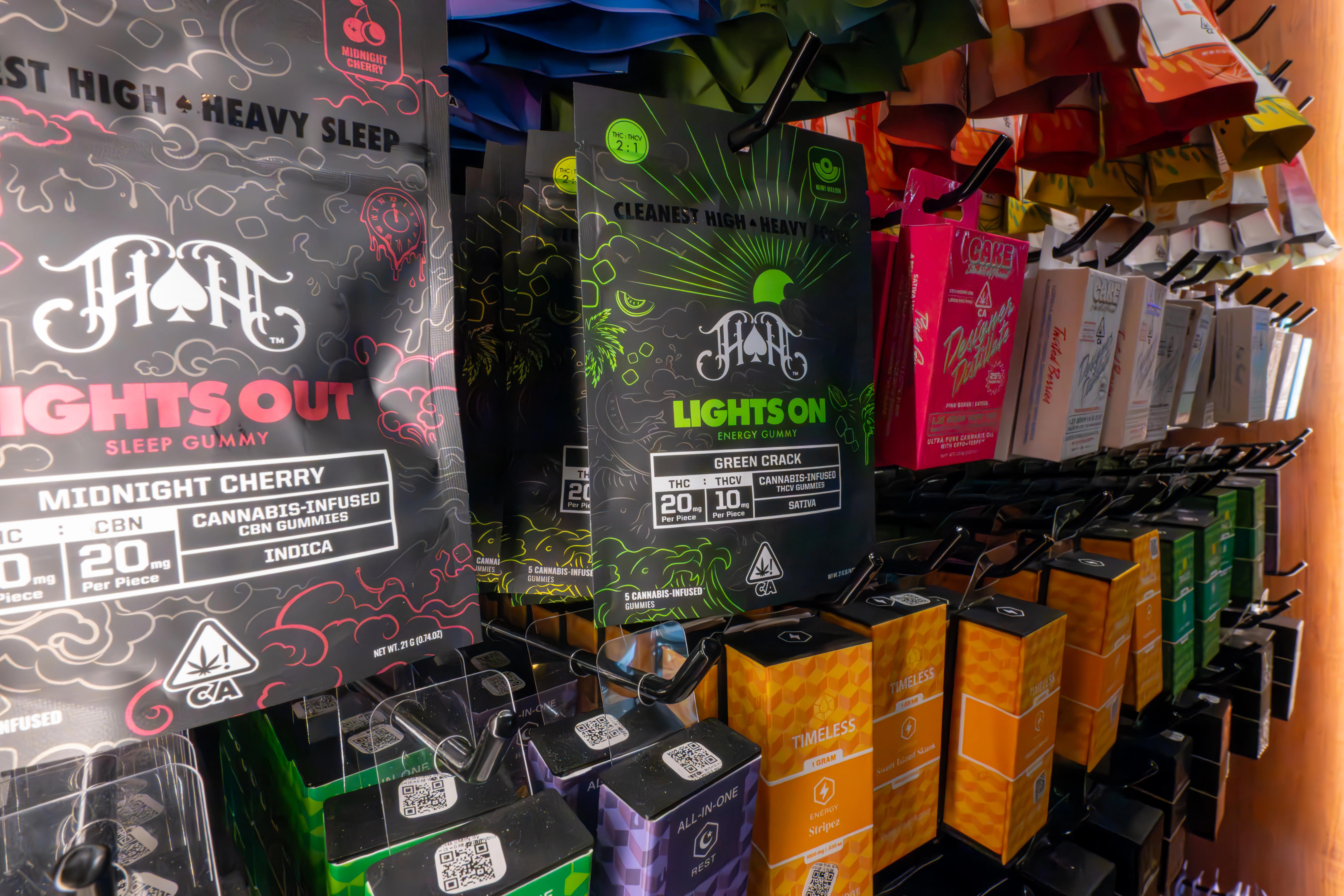
Staring at those tiny dispensary jars can feel like translating a foreign language when you just want a quick, safe choice. But knowing how to read cannabis labels isn't about chasing the highest THC percentage. It is about choosing a product you can trust, dose, and enjoy.
We’ll decode compliance safety, dosing numbers, and terpene freshness. Start here before you even think about THC percent.
The Safety Scan: How to Spot Legal, Tested Cannabis in Seconds
Before you even look at how much THC is packed into a jar, you need to know that what you are putting into your body is clean, regulated, and safe. Flashy packaging can hide a lot of secrets. That is why the first step in learning how to read cannabis labels is a quick safety audit. At Legendary Organics, we believe a great experience starts with absolute peace of mind, not just high potency.
The California Compliance Quick Scan
The California Department of Cannabis Control (DCC) has strict rules to protect consumers. When you pick up a product, take five seconds to scan the packaging for these essential compliance markers:
How to Audit a COA in Under a Minute
Most legal brands place a QR code on the label. Scanning this code takes you to a Certificate of Analysis (COA), which is the laboratory report card for that specific batch. Reading one is simpler than it looks:
Match the numbers: Match the batch or UID number on your packaging to the COA header. If they do not match, stop right there.
Check for "Pass": Find the pass/fail summary and confirm it is "Pass" across required panels, including pesticides, heavy metals, microbial impurities, mycotoxins, and residual solvents.
Confirm lab credibility: Look for the name of a licensed testing laboratory that holds an active ISO/IEC 17025 accreditation, which is the standard expectation in California.
Watch out for simple red flags: no QR code, a missing COA, or testing dates wildly out of sync with your purchase. If you cannot verify that it is legal and tested, do not let any high THC number talk you into it.
Decoding Potency: The Math Behind Percentages, Milligrams, and Ratios
Many people think a bad cannabis experience comes from choosing the wrong strain. Most often, it comes down to a simple dosing mistake. When you are learning how to read cannabis labels, the numbers can look like a confusing math test, but breaking them down is the easiest way to ensure a predictable, comfortable experience.
First, identify the product category you are holding because labels use different units. For flower and pre-rolls, potency is shown as a percentage by weight. For edibles, tinctures, and beverages, potency is measured in milligrams (mg), which tells you the exact weight of active cannabinoids in the product.
Reframe how you look at that THC percentage. Think of THC as "intensity potential" rather than a measure of quality. A higher percentage does not mean a better experience. If you are focused on wellness or are relatively new to cannabis, prioritizing a comfortable, predictable effect is far more valuable than chasing the highest number on the shelf.
When looking at flower, you will often see THCA, Delta-9 THC, and Total THC listed separately. Most raw cannabis flower contains very little active Delta-9 THC. Instead, it is packed with THCA, which is the non-psychoactive acid form of THC. When you apply heat by smoking or vaporizing, that THCA converts into active, intoxicating THC.
Regulators use a simple formula to estimate this potential:
Total THC = (THCA × 0.877) + Delta-9 THC
For example, if your flower has 20% THCA and 0.5% Delta-9 THC, your actual active Total THC is about 18%.
For edibles and drinks, the milligram math is your best defense against a rough night. Always check the difference between milligrams per serving and milligrams per package, as packages often contain multiple servings. A single chocolate bar might contain 100 mg of THC, but it is divided into ten 10 mg servings. For beginners, starting with a low dose of 2.5 to 5 mg matters much more than THC percentage ever will.
If you are sensitive to THC or want a smoother, more balanced experience, look for ratios like 1:1 or 2:1 CBD to THC. CBD acts as a gentle buffer, taking the edge off the psychoactive intensity of THC.
Keep an eye out for THC inflation. Flower claims pushing past 35% are incredibly rare and should prompt you to double-check the Certificate of Analysis, which is the official lab test report. Instead of chasing impossible numbers, choose trusted brands, verify that your package batch matches the lab results, and pick your product based on your personal dose and terpene goals.
Ultimately, your best label skill is dosing literacy, especially for edibles.
Beyond THC: How Terpenes and Freshness Dates Shape Your Experience
Have you ever bought a jar of flower with sky-high THC only to find it felt flat, tasted harsh, or left you feeling sluggish? That is because THC only tells you the engine size of your cannabis. Terpenes and freshness are what actually steer the car. Understanding these details is the secret to mastering how to read cannabis labels.
Terpenes are the organic aroma compounds that give cannabis its distinct smells, from bright citrus to deep pine. They do more than smell good; they actively shape how the high feels.
On a label or lab report, terpenes are displayed as either a percentage or in milligrams per gram (mg/g). To convert mg/g to a percentage, just move the decimal point one spot to the left. For example, 15 mg/g is exactly 1.5% terpenes. Look for anything above 1.5% total terpenes for a highly aromatic, flavorful batch.
When choosing your vibe, look at the dominant terpenes listed on the label:
To shop smart, pick one or two effect keywords you want, like "calm" or "uplifting." Then, use those dominant terpenes as a tie-breaker to find your perfect match.
However, even the best terpenes fade if your cannabis is stale. California labels list three critical dates: harvest, test, and package. The harvest date is when the plant was cut, while the test date is when the laboratory approved it. The packaging date, marked as PKG, is when the product was sealed for retail.
State regulations require the PKG date on final-form cannabis, giving you a reliable baseline for freshness. Stale cannabis loses its active terpenes, resulting in a muted aroma, harsher smoke, and a dull, sleepy high.
To keep your stash fresh, stick to these quick dispensary rules: choose flower packaged within the last three to six months. For vapes or edibles, check the manufacturing date and batch traceability via the COA, which is the lab’s official Certificate of Analysis.
Use terpenes to steer the vibe, and dates to avoid disappointment.
Your Go-To Label Checklist
Learning how to read cannabis labels is not about memorizing a science textbook. It is about knowing how to quickly scan for the things that actually impact your experience. Instead of getting overwhelmed by all the tiny numbers, use this simple, five-step routine the next time you are standing at the shelf.
Verify regulation: Look for the California universal symbol and UID number to ensure the product is licensed.
Confirm testing: Scan the QR code to view the official lab report and check for passing safety marks.
Find your dose: Choose low-dose products or balanced ratios if you are new, or stick to your familiar baseline.
Target the vibe: Match dominant terpenes like myrcene, limonene, or linalool to the physical and mental experience you want.
Use THC as a tie-breaker: Compare potency percentages at the very end, and only between similar products in the same category.
If you ever feel stuck, you do not have to guess. Our friendly team is always ready to help. Try starting a comfortable, stress-free conversation with a cannabis consultant using one of these simple questions:
At Legendary Organics, we believe shopping for cannabis should be a calm, personalized, and completely supportive experience. Our dedicated cannabis consultants’ -customer guidance ensures you always get undivided attention and clear answers. Whether you prefer to browse in-store, take advantage of our convenient delivery service, and save with our loyalty program, we are here to help you shop with confidence.
Frequently Asked Questions
What does the California cannabis symbol mean, and should I avoid products without it?
The universal CA symbol indicates a product contains cannabis and is legally regulated. You should avoid any California product without it. If the logo is missing or looks altered, it is a major red flag, so ask your budtender to verify compliance before purchasing.
Why does the THC percentage on my package not match the laboratory report?
This difference occurs because raw flower contains THCA, which converts to active THC only when heated. Lab reports calculate Total THC using the formula: Total THC = (THCA × 0.877) + Delta-9 THC. Some package labels display raw numbers, while laboratory reports show this adjusted calculation.
What is more important for beginners, THC percentage or milligrams per serving?
Milligrams per serving is far more important when taking tinctures, edibles, or drinks because it determines your actual dose. THC percentage only tells you the concentration, which will be a better gauge to use when smoking, vaping, or dabbing.. Whether smoking, vaping, or eating an edible, start low and you can always have more. Its a good idea to have a high CBD product handy in case you feel too intoxicated with THC levels. When this happens, adding 10mg-20mg or more of CBD under your tongue can often reduce the negative reactions to THC overload in just a few minutes. Be assured that you cannot overdose on THC as there are no CB receptors in your brain stem where respiration is controlled. But THC toxicity effects can be uncomfortable, cause paranoia and elevated heart rates that can lead to increased anxiety.
What is the most important safety detail to check on a laboratory report?
Confirm that the package batch number matches the report, then verify a "Pass" status across all safety categories. A clean report must show passing marks for pesticides, heavy metals, microbials, mycotoxins, and residual solvents. If the numbers do not match, the test is invalid.
What date should I look for if there is no harvest date on the label?
Use the packaging date as your baseline for freshness. Marked as PKG, this date is required on California labels. Try to buy flower packaged within the last six months, and ask our Legendary Organics team if you need help finding the freshest batches.